About Eileen
I work at the intersection of operations and technology — the place where most systems break.
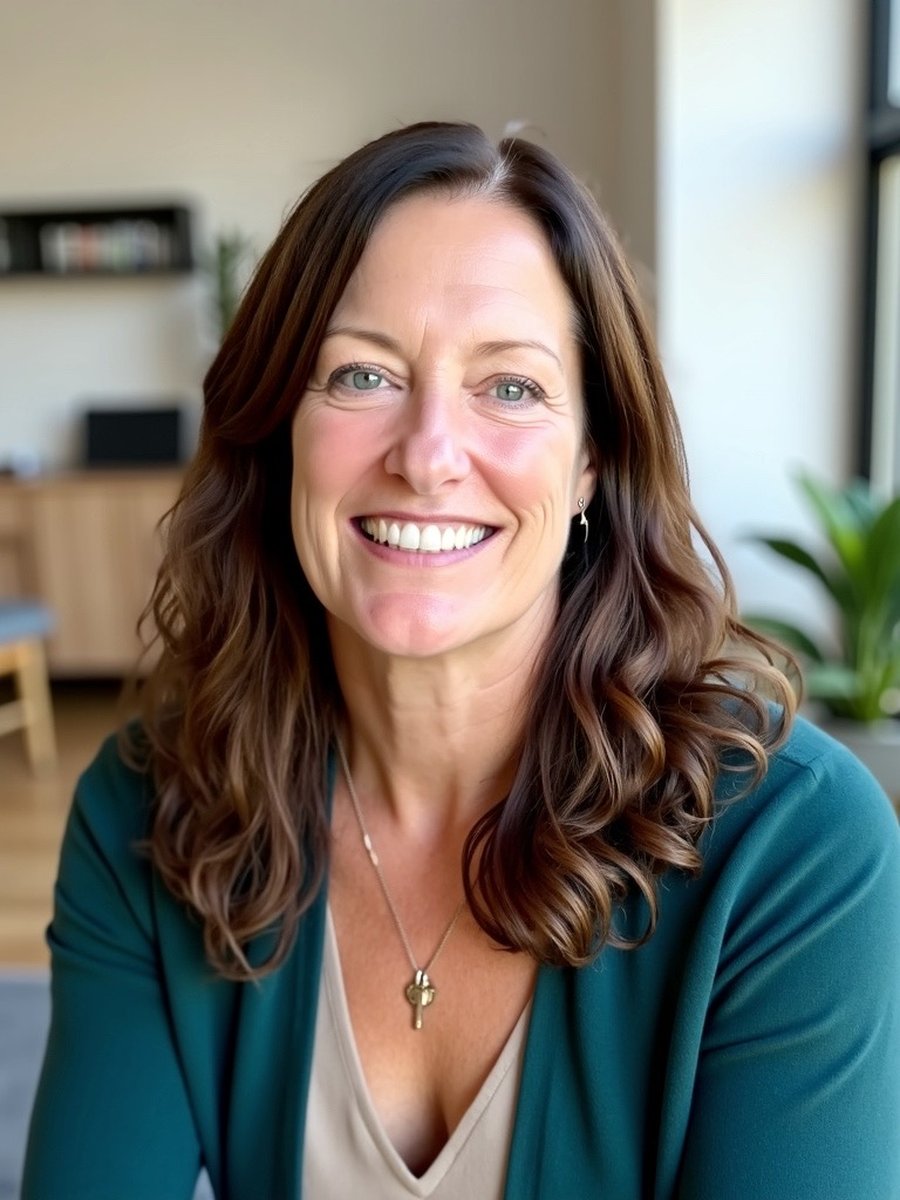
I'm a systems strategist and technology implementation consultant. I work on the infrastructure supporting established service businesses — the workflows, tools, and processes a growing team relies on every day.
When a business grows faster than its infrastructure can absorb, the team starts compensating — more manual steps, more workarounds, more institutional knowledge living in one person's head. It works, until it doesn't. And the friction tends to surface right when momentum matters most.
In practice, that means diagnosing where things are structurally vulnerable, rebuilding the systems that carry client delivery and team coordination, and documenting the processes that currently live in one person's head. The result is a business that runs on solid infrastructure instead of constant effort.
How I approach the work
My work tends to fall into two areas. The first is the systems your clients touch: intake, pipeline, onboarding, and the CRM. These are the ones that decide whether every client gets the same experience and whether your team always knows where a relationship stands. The second is the systems your team runs on internally — the handoffs, documentation, reporting, and project tracking that decide whether work gets delivered without one person holding it all together.
I don't install software and walk away. I start by mapping how work actually moves through the business right now, not how it's supposed to. From there I build what's needed, or scope and bring in the right person, and stay until it holds.
I work with only a few clients at a time, by design. The work needs real access, real attention, and a real commitment to change on both sides.
Background
I came up through technology — first building software, then leading the projects and implementations that brought new systems into real businesses. Two decades in, I've learned that systems almost always break in the same place: between how a business actually works and how its tools were set up to work.
I'm also a Certified Online Business Manager, so I read the operations side as fluently as the technical side. The systems I put in place are built around how your team operates — not the other way around.
What I work on:
operations strategy, workflow and systems design, CRM and pipeline, SOPs and process documentation, tool rationalization, and AI and automation readiness.
Based in Nevada City, CA · Remote and in person · A small number of clients at a time.
Common questions
What kind of businesses do you work with?
Established service businesses with small operational teams — typically 5 to 15 people running the business day-to-day. That includes consulting firms, boutique agencies, professional services teams, experience-based businesses, and practices or firms with practitioners or contractors where the core operational team is small, even if the broader headcount is larger. The common thread is real growth creating real operational friction.
What's the difference between what you do and hiring an OBM or VA?
An OBM or VA typically takes on tasks and helps manage day-to-day execution. My work is different — I diagnose where the systems are structurally broken and rebuild them so the business runs differently. I'm not here to do the work for you indefinitely. I'm here to build the infrastructure so your team can.
Do I need to know what's wrong before I reach out?
No. Some clients come in knowing exactly which process is breaking. Others just know something is off and growth is getting harder instead of easier. The discovery call and the diagnostic work are designed to find where the real problem is.
What does a typical engagement look like?
Most engagements start with a free 30-minute discovery call. From there, clients either move into a Systems Snapshot ($625–$1,200) for a focused look at one specific area, or a Focused Operations Review ($1,250–$2,700) for a diagnostic across two or three connected workflows. Pricing within each depends on team size and workflow complexity. Implementation is scoped and priced based on what the diagnostic surfaces.
Do you work with businesses that have an IT department already?
Yes — and it can actually be a relief for the internal team. When you're close to the systems you've built, it's hard to see them clearly. An outside perspective, with no attachment to any particular tool or vendor, can surface questions the team hasn't thought to ask — or hasn't felt comfortable raising.
Can you help if our problem is one specific workflow — not our whole operation?
Absolutely. The Systems Snapshot is designed for exactly that — one contained area, one focused diagnostic, one clear set of recommendations. You don't need a company-wide systems problem to work together.
Do you implement AI and automation?
When it's the right fit, yes. I first assess whether automation is actually the right solution and whether the underlying process and data are ready for it. For straightforward automations and contained AI work, I build them directly. For larger, production-grade implementations that require commercial-grade engineering, I scope the work and bring in a specialist — so you have one point of contact throughout.
Do you offer an ongoing retainer?
Yes, but only for clients I've already worked with. Ongoing advisory works because there's shared context about the business — without that foundation, advisory at a distance doesn't deliver real value. After a Snapshot, a Focused Operations Review, or an implementation engagement, the retainer is available as a scoped, ongoing relationship.
How many clients do you work with at a time?
A small number, intentionally. The work requires real access and real attention. I don't take on more than the work can support.
Where are you located and do you work remotely?
Nevada City, CA. I work with clients remotely and in person, depending on the engagement.
What's the best way to get started?
Reach out through the Start Here form or book a discovery call directly. Either way, it's a low-pressure conversation — you share what's happening, I ask questions, and we figure out together if there's a fit.
Ready to get started?
Book a free 30-minute discovery call. You tell me what's happening. I ask questions. We both decide if there's a logical next step — no pitch, no pressure.